


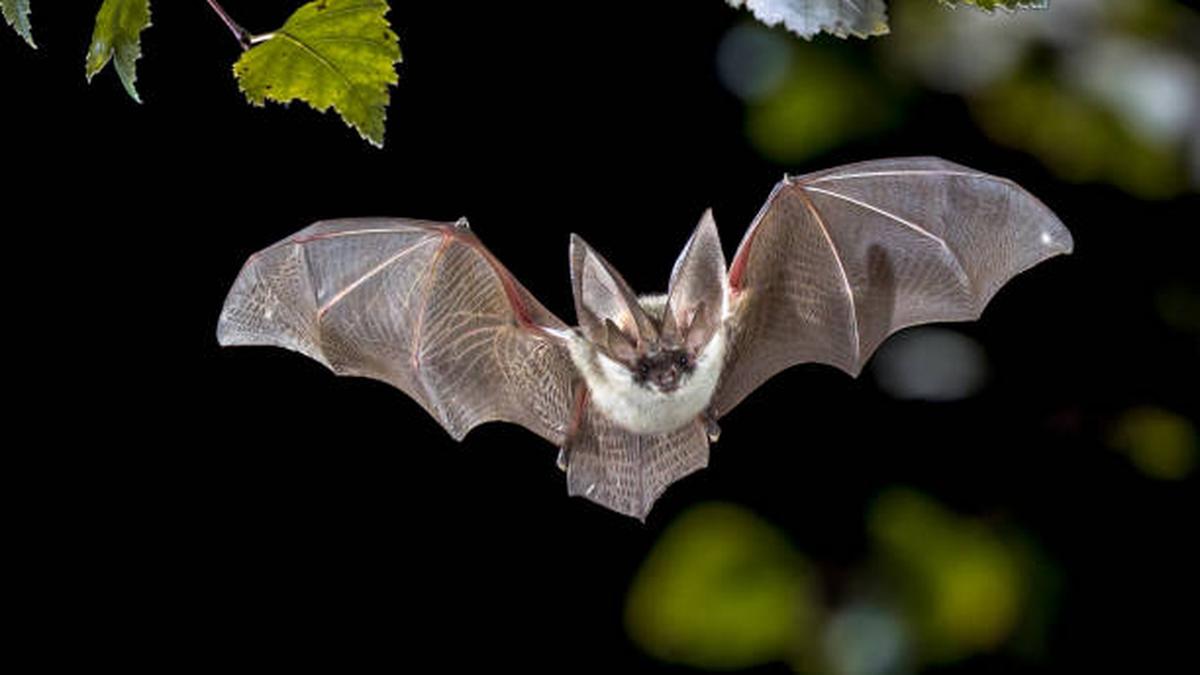
Unveiling the Mystery: Why Bats Remain Healthy Despite Carrying Dangerous Viruses
By [Author Name]
Bats, often misunderstood creatures of the night, play host to some of the world's most dangerous viruses, yet they remain mysteriously unaffected by these pathogens. This peculiar resilience has intrigued scientists, leading to a deeper exploration of the bat's immune system and its implications for human health.
Recent studies have shed light on the unique biological mechanisms that enable bats to harbor viruses without succumbing to illnesses. This research not only enhances our understanding of bats but also presents potential breakthroughs in combating viral threats to humans.
- Unique Immune System: Bats possess an exceptional immune system that prevents them from falling ill, even when hosting deadly viruses like Ebola, SARS, and rabies.
- Temperature Regulation: The high body temperature of bats during flight mimics fever conditions, helping them fend off viral infections.
- DNA Repair Mechanisms: Enhanced DNA repair capabilities in bats protect them from the harmful effects of viral replication.
- Scientific Implications: Understanding these mechanisms opens new avenues for developing treatments and preventive strategies against viral diseases in humans.
While bats play a crucial role in ecosystems as pollinators and insect controllers, their ability to carry and transmit viruses poses a significant challenge. Scientists urge caution and respect for their habitats to prevent spillover events that could lead to future pandemics.
The study of bats continues to offer invaluable insights into viral ecology and immunity, highlighting the need for further research. As we delve deeper into the secrets of these winged mammals, the potential to harness their immune strategies for human benefit becomes increasingly promising.
Stay informed with our latest updates on scientific discoveries and health insights by subscribing to our newsletter.










 Continue With Google
Comments (0)